
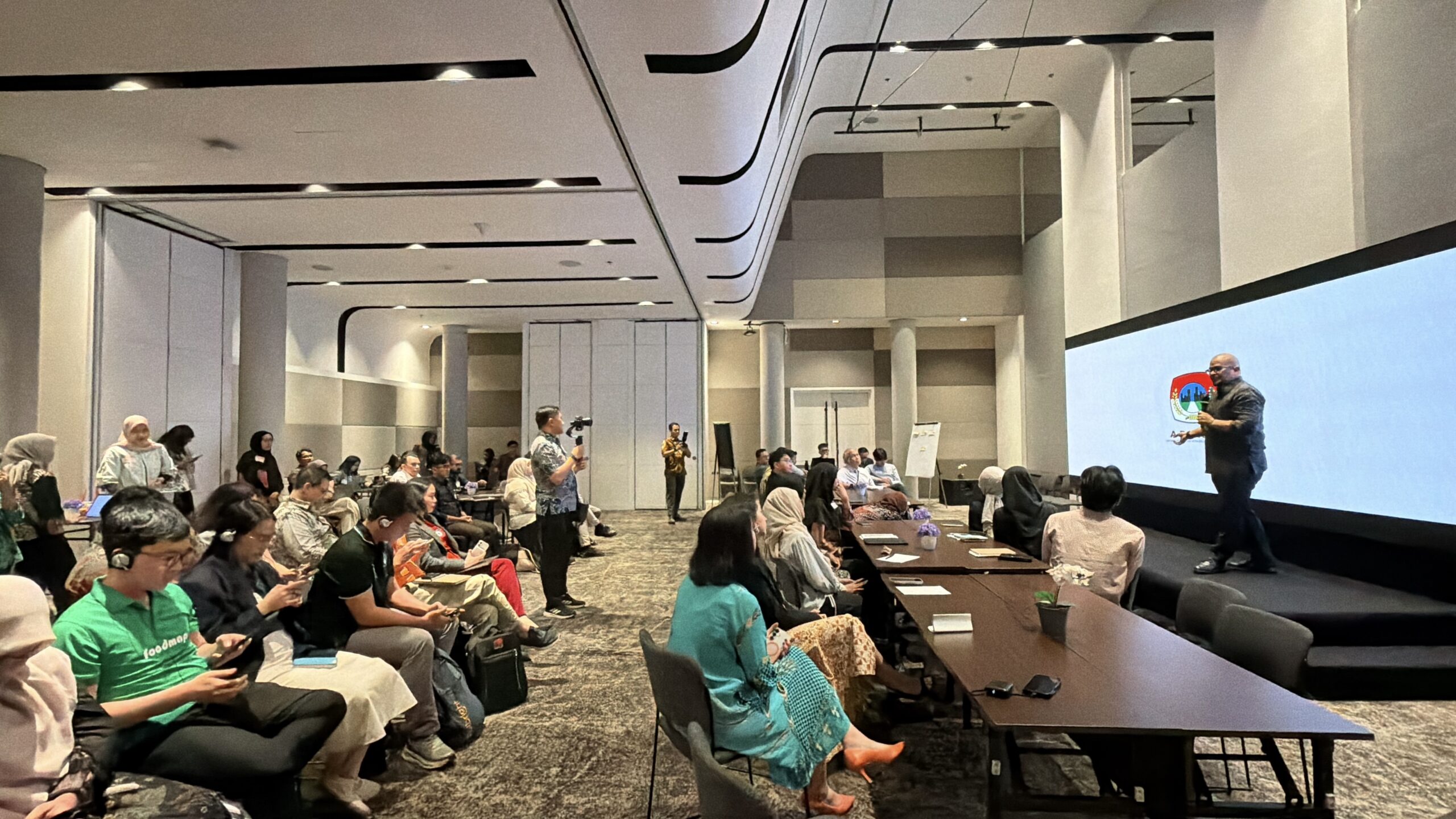
This question took center stage at FutureGen for Change (FGC) 2.0, an open innovation platform connecting innovators with local governments to develop and test technology-based solutions for various urban challenges. From September 15–17, 2026, in Jakarta, 24 finalists selected for FGC 2.0 participated in a series of bootcamps and curated matchmaking sessions. This event served as a strategic forum, bringing innovators face-to-face with the city governments of Medan and Malang—the two primary locations for testing innovations under this program.
The commitment to accelerating the development of these urban solutions was further underscored by the signing of a Strategic Partnership Memorandum of Understanding (MoU) between APEKSI and the Pijar Foundation. Alwis Rustam, Executive Director of APEKSI, and Cazadira F. Tamzil, Executive Director of the Pijar Foundation, signed this pivotal agreement. The partnership is designed to act as a robust bridge, ensuring that brilliant ideas from young talent receive the structural support needed for pilot testing within the city government ecosystem.
In his remarks, Alwis Rustam highly commended the enthusiasm of the innovators who stepped up to gain firsthand insight into urban issues in order to craft relevant solutions. He expressed strong hope that the matchmaking process would proceed smoothly through to the implementation stage, enabling the resulting innovations to deliver tangible benefits for the well-being of residents. This journey embodies progressive collaboration: transforming ideas through engagement with urban challenges and turning innovations into actionable solutions.